2025 Three major trends in the agricultural machinery industry: industrial transformation, resource integration and product going to sea
In 2025, the agricultural machinery industry is undergoing profound changes, with industrial transformation, resource integration, and industrial globalization emerging as three prominent trends. These trends reflect the adjustment and upgrading of resources and capabilities within the industry, and conform to the new demands of the development of the global agriculture and agricultural machinery market.
Industrial Transformation: Moving towards High - end and Intelligence
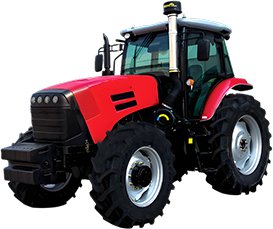
The agricultural machinery industry is accelerating its transformation towards high - end and intelligent development. On the one hand, the growing demand for high - performance agricultural machinery from users is forcing agricultural machinery enterprises to increase their R & D investment and manufacture high - end agricultural machinery equipment with more stable performance and higher operation efficiency. On the other hand, intelligence has become the core direction of the development of agricultural machinery. Technologies such as the Internet of Things, big data, and artificial intelligence are widely applied in agricultural machinery equipment. Intelligent agricultural machinery can monitor information such as soil moisture, fertility, and crop growth conditions in real - time, automatically adjust operation parameters based on data, and achieve precise tillage, precision seeding, fertilization, irrigation, and harvesting, greatly improving agricultural production efficiency and reducing resource waste.
Resource Integration: Continuous Optimization of the Industrial Chain
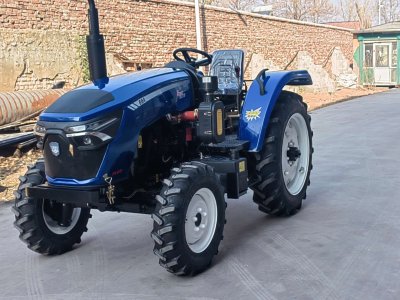
The "head - effect" continues to be prominent in the industry. The top three enterprises in the markets of large and medium - sized tractors and harvesters continue to maintain a large industrial position and competitive advantages, while the enterprises in the middle - and low - end positions face the pressure of transformation or withdrawal.
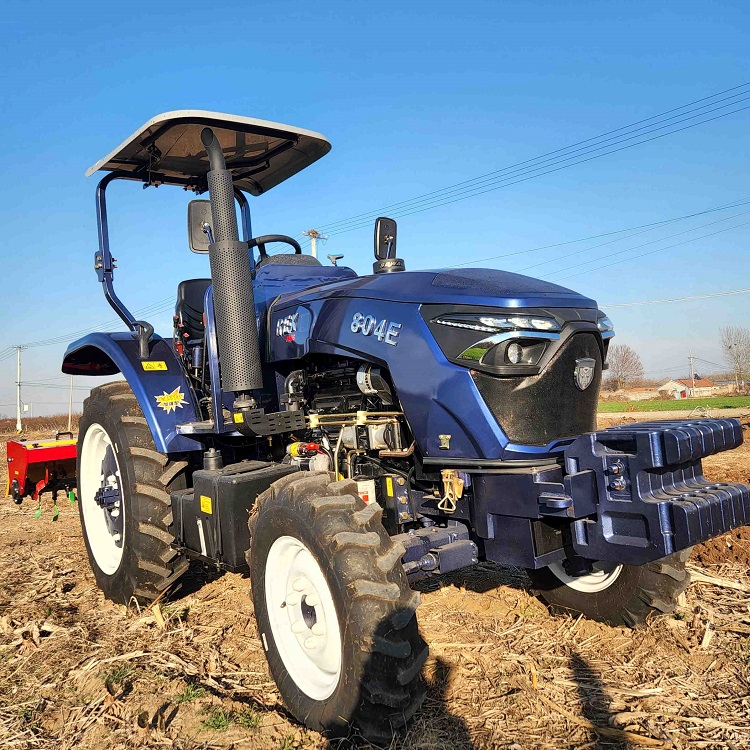
Policy subsidies mainly support high - end intelligent products (increment), and at the same time, optimize the structure by phasing out low - end production capacity (stock). The integration of new production factors such as data and technology promotes the improvement of total factor productivity and provides new space for the development of mid - and high - end agricultural machinery. To enhance the overall competitiveness of the industry and seize new development opportunities, the pace of resource integration in the agricultural machinery industry has accelerated. Group - based and intensive development has become an important direction for industrial structure adjustment. Through mergers and acquisitions, large agricultural machinery enterprises are constantly growing, integrating upstream and downstream resources, and forming an industrial cluster with large enterprises as the leading players and small and medium - sized enterprises providing collaborative support.
The continuous optimization of the industrial chain brings many advantages. First, it promotes technological innovation. The cooperation and communication among enterprises become more frequent, and R & D resources are effectively integrated, accelerating the R & D and promotion of new technologies and products. Second, it improves production efficiency. The enterprises within the industrial cluster cooperate in division of labor, achieve specialized production, reduce production costs, and improve product quality. Third, it improves the industrial chain, strengthens the R & D and production of agricultural machinery parts, and creates a stable supply chain. Fourth, it improves and optimizes the construction of sales and service channels, enhancing the risk - resistance and sustainable development capabilities of the entire industry.
Global Expansion: Layout in the International Market
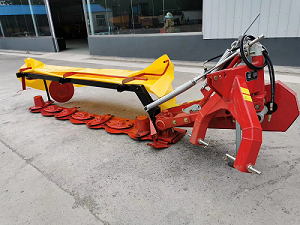
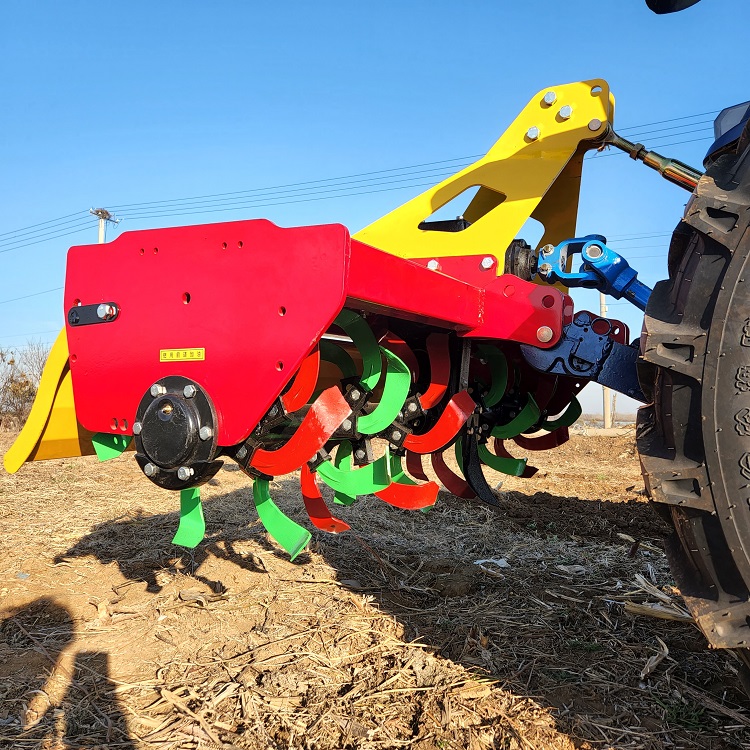
Agricultural machinery enterprises are accelerating their pace of going global. China's agricultural machinery products are highly favored in the international market, especially in the markets of developing countries, due to their high cost - performance ratio and strong applicability. To better explore the international market, enterprises adopt various strategies. On the one hand, they strengthen brand building, and enhance brand awareness and reputation through participating in international exhibitions and advertising. They actively promote the construction of online and offline channels, further focus on breakthroughs in core technologies and the construction of global service capabilities, and accelerate the pace of enterprises going global.
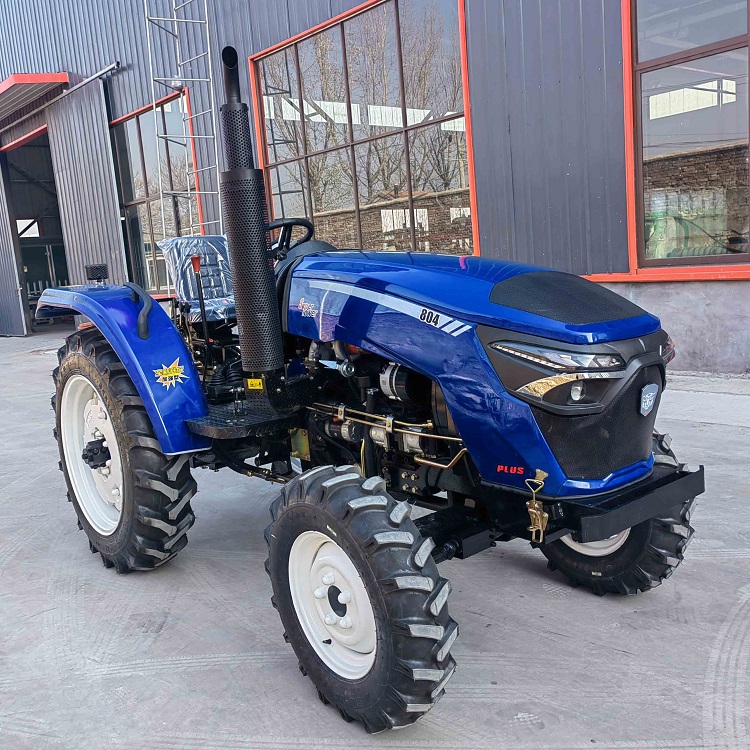
On the other hand, they conduct in - depth research on international market demands, develop high - quality and highly adaptable agricultural machinery products according to the agricultural characteristics and planting habits of different regions. At the same time, they actively carry out international cooperation, jointly research and develop with foreign enterprises and research institutions, share technologies, and enhance their own technological level and management capabilities, accelerating the internationalization process.